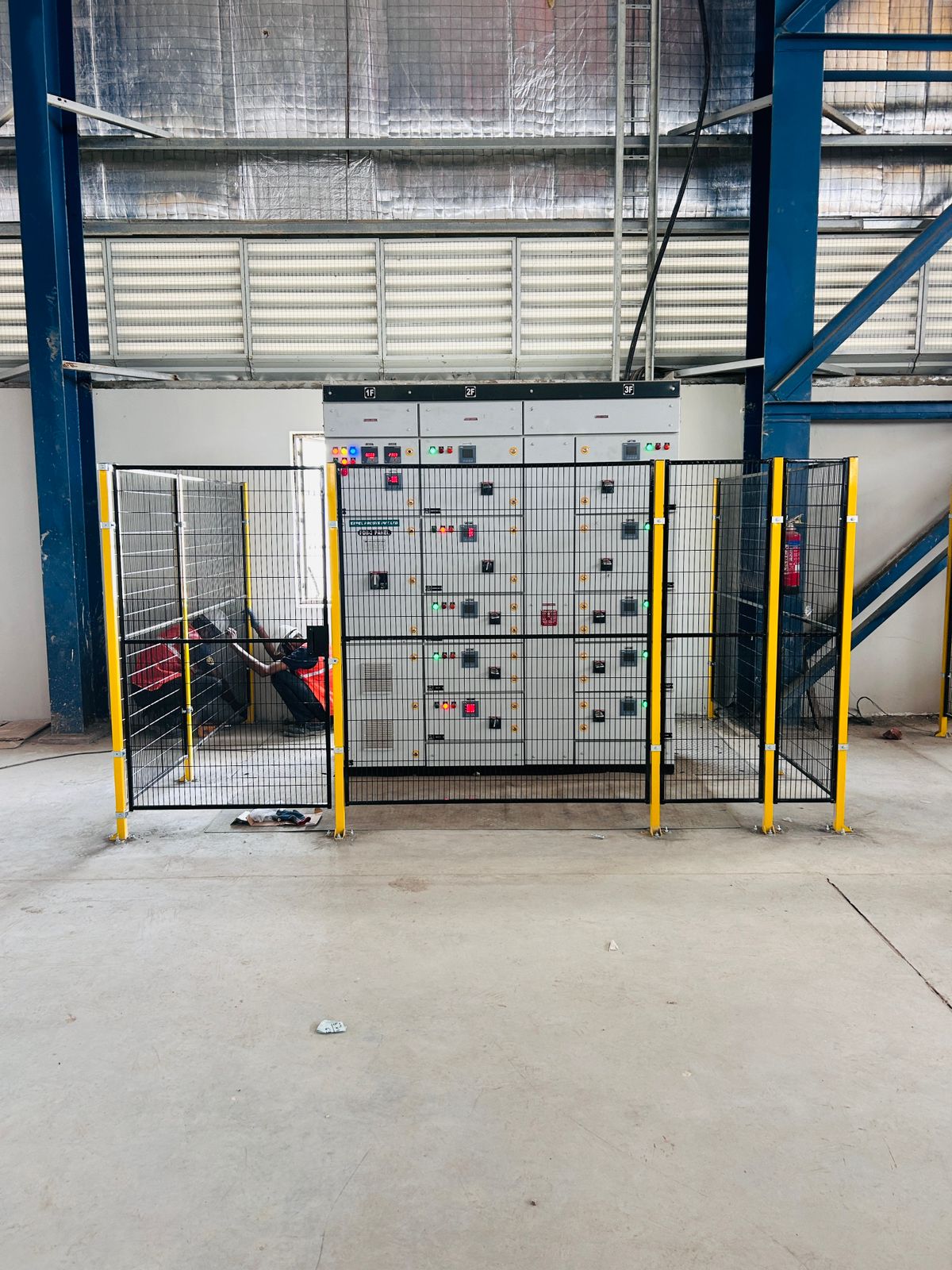
Introduction
Machine guarding safety is a critical aspect of workplace safety that protects workers from hazardous moving parts, flying debris, and dangerous machinery operations. At Devidatt Enterprises, we understand that proper machine guarding isn't just about compliance it's about creating a culture of safety that protects your most valuable asset: your employees.
This comprehensive guide explores everything you need to know about machine guarding safety, from regulatory requirements to best practices that can save lives and prevent costly accidents.
What is Machine Guarding?
Machine guarding refers to the protective barriers, devices, and safety mechanisms installed on machinery to prevent worker contact with dangerous moving parts. These guards shield operators from:
- Rotating parts and components
- Flying chips and sparks
- Point of operation hazards
- Pinch points and nip points
- Cutting and shearing actions
According to occupational safety data, properly installed machine guards can prevent thousands of workplace injuries annually, including amputations, lacerations, crushing injuries, and fatalities.
Types of Machine Guards
1. Fixed Guards
Fixed guards are permanent barriers that are securely attached to the machine or surrounding structure. These guards:
- Provide constant protection
- Require tools for removal
- Are ideal for high-risk areas with no regular access needed
- Offer the most reliable protection when properly designed
2. Interlocked Guards
Interlocked guards automatically shut down machinery when opened or removed. Key features include:
- Immediate machine stoppage when guard is moved
- Cannot operate machinery with guard open
- Ideal for maintenance access points
- Combines physical barrier with machine control
3. Adjustable Guards
Adjustable guards provide flexibility for different operations:
- Can be adjusted for various stock sizes
- Require proper training for adjustment
- Must be designed to prevent inadvertent adjustment
- Common on saws and grinding equipment
4. Self-Adjusting Guards
These guards automatically adjust to accommodate different materials:
- Open only as much as needed for operation
- Return to protective position automatically
- Commonly used on band saws and similar equipment
- Reduce need for manual adjustment
Legal Requirements and OSHA Standards
Understanding regulatory compliance is essential for any business operating machinery. Key regulations include:
OSHA Machine Guarding Standards
- 29 CFR 1910.212: General requirements for all machine guards
- 29 CFR 1910.213: Woodworking machinery requirements
- 29 CFR 1910.215: Abrasive wheel machinery requirements
- 29 CFR 1910.217: Mechanical power presses
Compliance Requirements
Employers must ensure that machine guards:
- Prevent operator and worker contact with dangerous moving parts
- Are secure and durable enough to withstand normal operations
- Do not create new hazards through sharp edges or inadequate design
- Do not interfere with operational efficiency
- Allow for safe lubrication and maintenance
Violations of machine guarding standards consistently rank among OSHA's top citations, resulting in significant fines and, more importantly, preventable injuries.
Common Machine Hazards Requiring Guards
Point of Operation Hazards
The point of operation is where material processing occurs—cutting, shaping, boring, or forming. This area presents the highest risk and requires comprehensive guarding.
Power Transmission Apparatus
Belts, chains, gears, pulleys, and shafts must be guarded to prevent entanglement and crushing injuries. Even smooth, rotating shafts pose serious hazards.
Rotating and In-Running Nip Points
Areas where rotating parts come together create nip points that can catch clothing, gloves, or body parts, pulling workers into machinery.
Flying Chips and Sparks
Grinding, cutting, and machining operations generate debris that can cause eye injuries and lacerations without proper guarding.
Best Practices for Machine Guarding Safety
1. Conduct Regular Risk Assessments
Devidatt Enterprises recommends quarterly machine safety audits that include:
- Identifying all potential hazard points
- Evaluating current guard effectiveness
- Documenting findings and corrective actions
- Prioritizing high-risk equipment
2. Implement Comprehensive Training Programs
Effective training should cover:
- Specific hazards of each machine
- Proper guard operation and adjustment
- Lockout/tagout procedures
- Reporting damaged or missing guards
- Consequences of bypassing safety devices
3. Establish a Preventive Maintenance Schedule
Regular maintenance ensures guards remain effective:
- Inspect guards weekly for damage or wear
- Verify interlock functionality monthly
- Replace damaged components immediately
- Document all maintenance activities
- Never operate equipment with missing or damaged guards
4. Create a Safety-First Culture
Building safety awareness requires:
- Leadership commitment to safety
- Employee involvement in safety improvements
- Recognition of safe behaviors
- Open communication about hazards
- Zero tolerance for safety device tampering
Machine Guarding Design Principles
Effective machine guards must meet specific design criteria:
Guard Placement
- Position guards to prevent access to danger zones
- Consider all possible points of entry
- Account for reasonable machine operation needs
- Maintain adequate distance from moving parts
Material Selection
- Use materials appropriate for the application
- Ensure durability for the expected lifespan
- Consider visibility needs for operations
- Select materials resistant to workplace conditions
Accessibility for Maintenance
- Design for necessary lubrication access
- Allow safe cleaning and adjustment
- Minimize guard removal frequency
- Provide clear maintenance procedures
Common Machine Guarding Mistakes to Avoid
1. Removing Guards for Convenience
Never remove guards to speed production or ease operation. This creates immediate hazards and regulatory violations.
2. Using Makeshift Guards
Improvised guards often fail to provide adequate protection and may create new hazards.
3. Neglecting Regular Inspections
Guards deteriorate over time. Regular inspections identify problems before accidents occur.
4. Inadequate Employee Training
Assuming workers understand machine hazards without proper training leads to unsafe behaviors and accidents.
5. Ignoring Near-Miss Incidents
Near misses are warnings that should trigger immediate investigation and corrective action.
Financial Impact of Machine Guarding
Investing in proper machine guarding delivers significant returns:
Cost of Workplace Injuries
- Direct medical costs average $42,000 per lost-time injury
- Indirect costs (lost productivity, training, investigations) average 3-5 times direct costs
- OSHA citations for machine guarding violations average $5,000-$15,000 per violation
- Serious accidents can result in citations exceeding $100,000
ROI of Prevention
Proper machine guarding programs provide:
- Reduced insurance premiums
- Decreased workers' compensation costs
- Higher productivity through worker confidence
- Improved regulatory compliance
- Enhanced company reputation
Why Choose Devidatt Enterprises for Machine Guarding Solutions
At Devidatt Enterprises, we bring decades of experience in industrial safety solutions. Our comprehensive machine guarding services include:
Custom Guard Design and Fabrication
- Engineered solutions for unique machinery
- Compliance with all applicable standards
- Durable materials for long service life
- Minimal interference with operations
Safety Assessments and Audits
- Comprehensive facility evaluations
- Detailed hazard identification
- Prioritized recommendations
- Compliance gap analysis
Training and Implementation Support
- Customized training programs
- On-site implementation assistance
- Documentation and procedures development
- Ongoing support and consultation
Serving PAN India: Pune, MIDC, GIDC & Metro Cities
As a leading safety fencing manufacturer in India, Devidatt Enterprises proudly serves:
- MIDC Pune, Chakan, Bhosari, Talegaon – automotive & engineering hubs
- GIDC Gujarat – major manufacturing & industrial belt
- Mumbai, Bengaluru, Chennai, Delhi NCR – metro cities with automation demand
- Hyderabad, Ahmedabad, Kolkata – growing industrial centers
We ensure fast delivery, on-site installation, and reliable after-sales support across all regions.
Industry-Specific Machine Guarding Considerations
Manufacturing Facilities
Manufacturing environments require comprehensive guarding programs covering:
- CNC machines and automated equipment
- Assembly line conveyors
- Robotic work cells
- Material handling equipment
Automotive Industry
Automotive manufacturing demands specialized protection from:
- Welding robots and automated systems
- Press operations and stamping equipment
- Paint booth machinery
- Assembly line automation
Metal Fabrication
Metal working operations need protection from:
- Lathe chuck guards
- Mill and drill press guards
- Grinder shields and tool rests
- Welding screens and barriers
Robotics & Automation Plants
With automation growing rapidly, robot safety fencing ensures workers stay protected from robotic arm operations. Our robot safety barriers are built for factory automation in 2025 and beyond.
Emerging Technologies in Machine Guarding
Modern safety technology enhances traditional guarding:
Light Curtains and Safety Sensors
- Create invisible safety barriers
- Stop equipment when beam is interrupted
- Ideal for areas requiring frequent access
- Reduce ergonomic strain from guard manipulation
Smart Guards with IoT Integration
- Monitor guard position in real-time
- Alert supervisors to removal or tampering
- Track machine operation and safety data
- Enable predictive maintenance
Robotic Safety Systems
- Safety-rated monitored stops
- Speed and separation monitoring
- Collaborative robot (cobot) safety features
- Area scanning and zone protection
Implementing a Machine Guarding Program
Step 1: Inventory and Assessment
Devidatt Enterprises recommends beginning with:
- Complete machine inventory
- Hazard identification for each machine
- Current guard effectiveness evaluation
- Prioritization based on risk severity
Step 2: Develop Standards and Procedures
Create documented procedures covering:
- Guard specifications for each machine type
- Inspection checklists and frequencies
- Maintenance procedures
- Reporting and corrective action processes
Step 3: Training and Communication
Implement training that includes:
- Initial training for all machine operators
- Refresher training annually
- Specialized training for maintenance personnel
- Documentation of all training activities
Step 4: Continuous Improvement
Establish processes for:
- Regular safety audits
- Employee feedback mechanisms
- Incident investigation and analysis
- Program updates based on new equipment or regulations
Conclusion: Protecting Workers Through Proper Machine Guarding
Machine guarding safety is not optional—it's a fundamental responsibility that protects workers, ensures regulatory compliance, and supports business success. The consequences of inadequate machine guarding extend far beyond regulatory fines, impacting worker health, family wellbeing, and organizational reputation.
By implementing comprehensive machine guarding programs, conducting regular assessments, maintaining equipment properly, and fostering a safety-first culture, organizations can prevent the vast majority of machine-related injuries.
Devidatt Enterprises stands ready to partner with your organization to create safer workplaces through effective machine guarding solutions. Whether you need custom guard fabrication, safety assessments, or training programs, our team brings the expertise and commitment to help you protect your workforce.
Remember: Every worker deserves to return home safely at the end of their shift. Proper machine guarding makes that possible.
Ready to Enhance Your Workplace Safety?
Contact Devidatt Enterprises today for a free consultation on machine guarding and safety fencing solutions for your factory!
Invest in safety. Invest in your people. Choose Devidatt Enterprises.
*This article is for informational purposes only and does not constitute legal or professional safety advice. Always consult with qualified safety professionals and ensure compliance with all applicable local, state, and federal regulations.